"Climate-smart" has become a busy phrase. Stripped of jargon, it means three things at once: producing more food, adapting to a changing climate, and reducing emissions where possible. In Zimbabwe, adaptation is the priority.
The blueprint we recommend to farmers starts with soil. Healthy soil holds more water, releases nutrients more predictably, and recovers faster from a drought or a flood. Building organic matter through cover crops, compost and reduced tillage is step one.
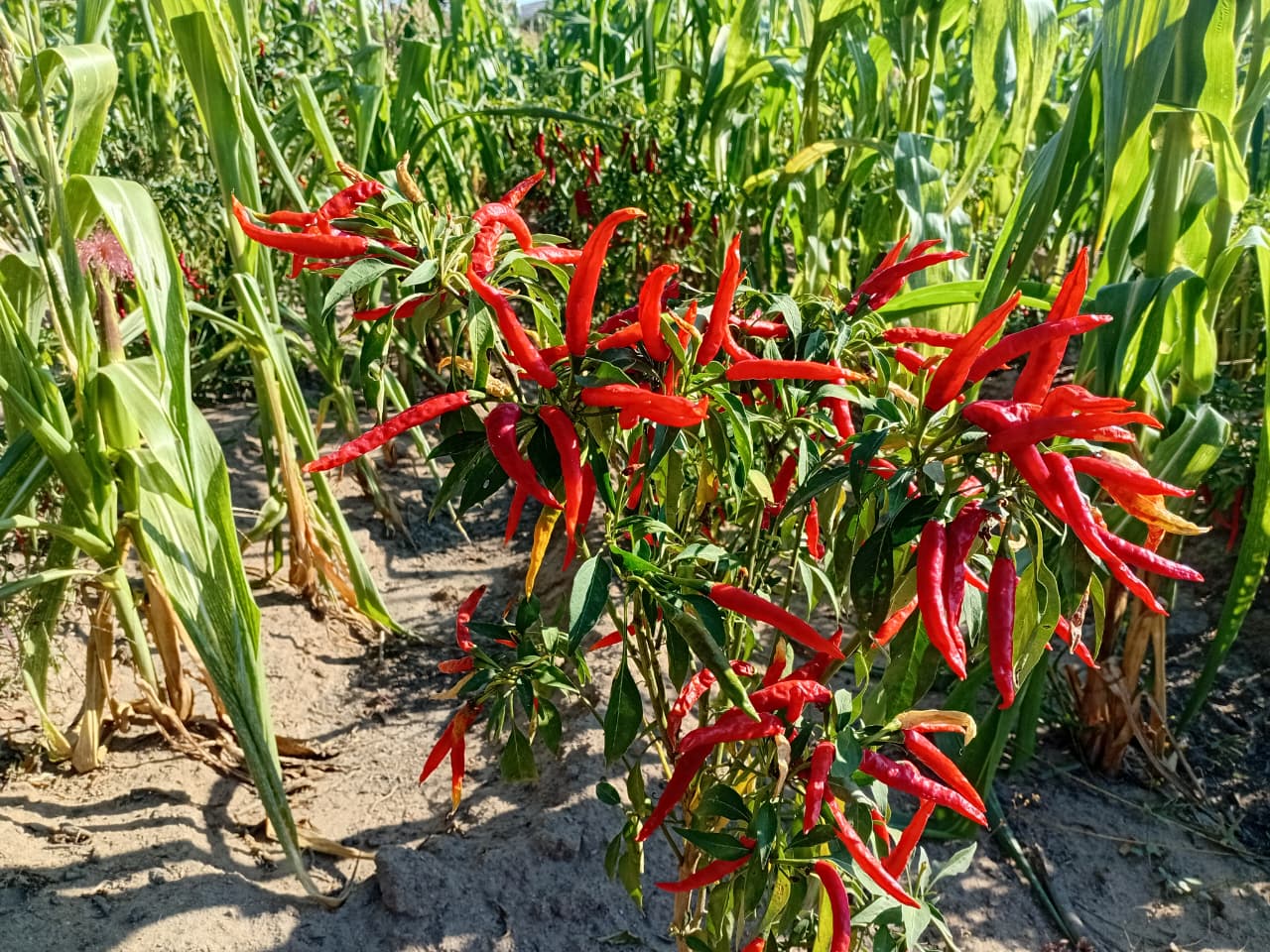
Step two is crop and variety choice. Drought-tolerant maize, small grains like sorghum and pearl millet, and short-season vegetables all belong in a climate-smart rotation. Diversification is the single strongest hedge a smallholder can build.
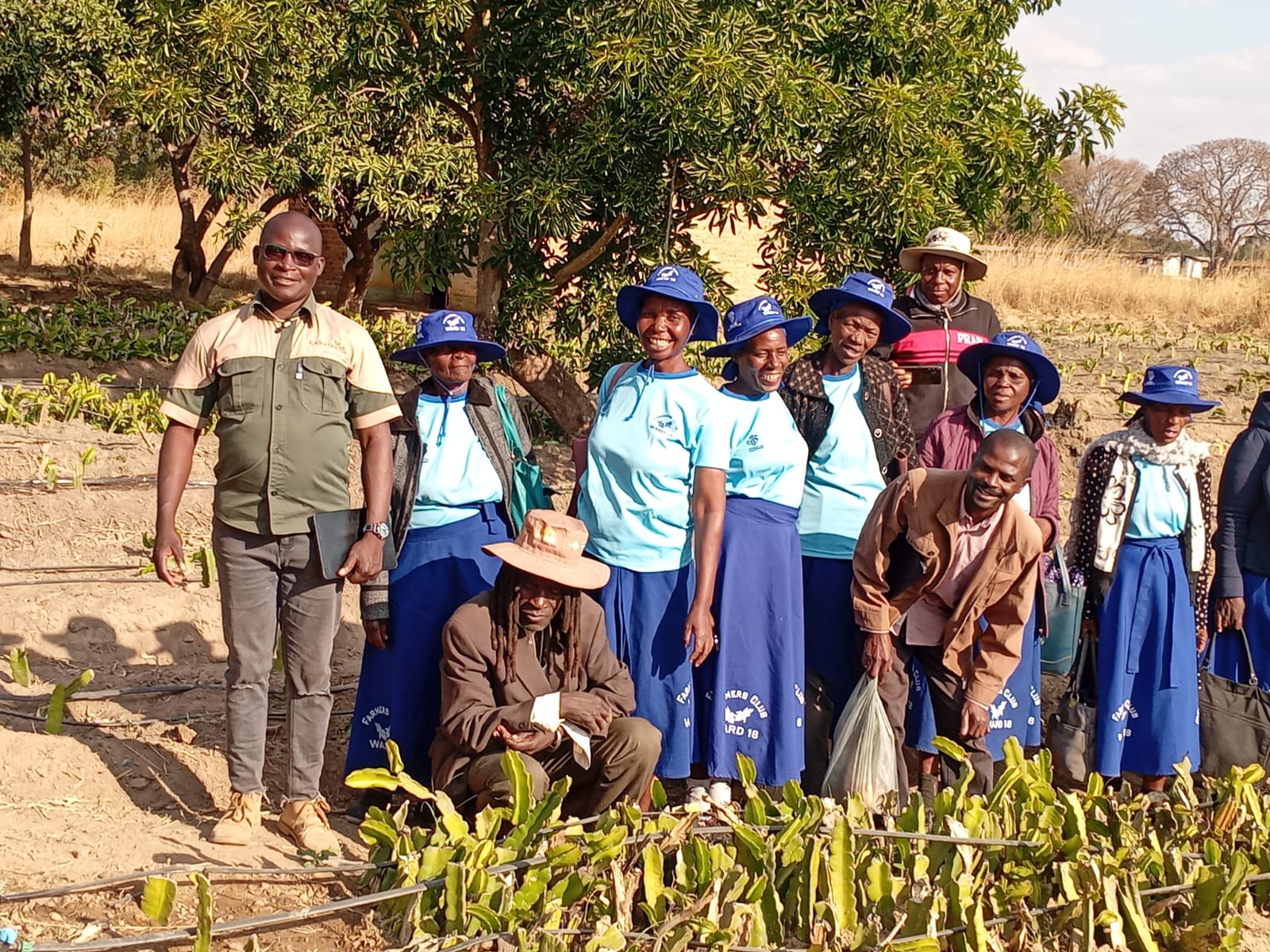
Step three is water. Even simple interventions — drip lines on high-value crops, mulching, in-field rainwater harvesting — dramatically reduce irrigation cost and drought risk. Not every farm needs a solar borehole; every farm needs a water plan.
Climate-smart agriculture is not one silver bullet. It is a stack of small, disciplined decisions that compound over seasons. Done well, it protects the farmer's livelihood and the country's food supply at the same time.
← Back to Blog