Zimbabwe's rainfall patterns have become dangerously unpredictable. In the last decade, growing seasons have shortened, mid-season dry spells have deepened, and heavy downpours now wash away topsoil that took generations to build. For smallholder farmers — who feed most of the country — climate variability is no longer an abstract policy issue. It is a monthly cash-flow problem.
Conservation agriculture (CA) is the most cost-effective response we have seen work at scale. Built on three principles — minimum soil disturbance, permanent soil cover, and crop rotation — it protects moisture in the soil profile, cuts erosion, and rebuilds the organic matter that gives soils their capacity to buffer stress.
At Lakefront, we combine CA with certified seed, timely inputs, and structured farmer training. In our Bindura pilot, participating farmers reported 30 – 60% higher maize yields in a drought season compared with neighbours using conventional tillage. Their labour requirements also dropped, because they were no longer ploughing every year.
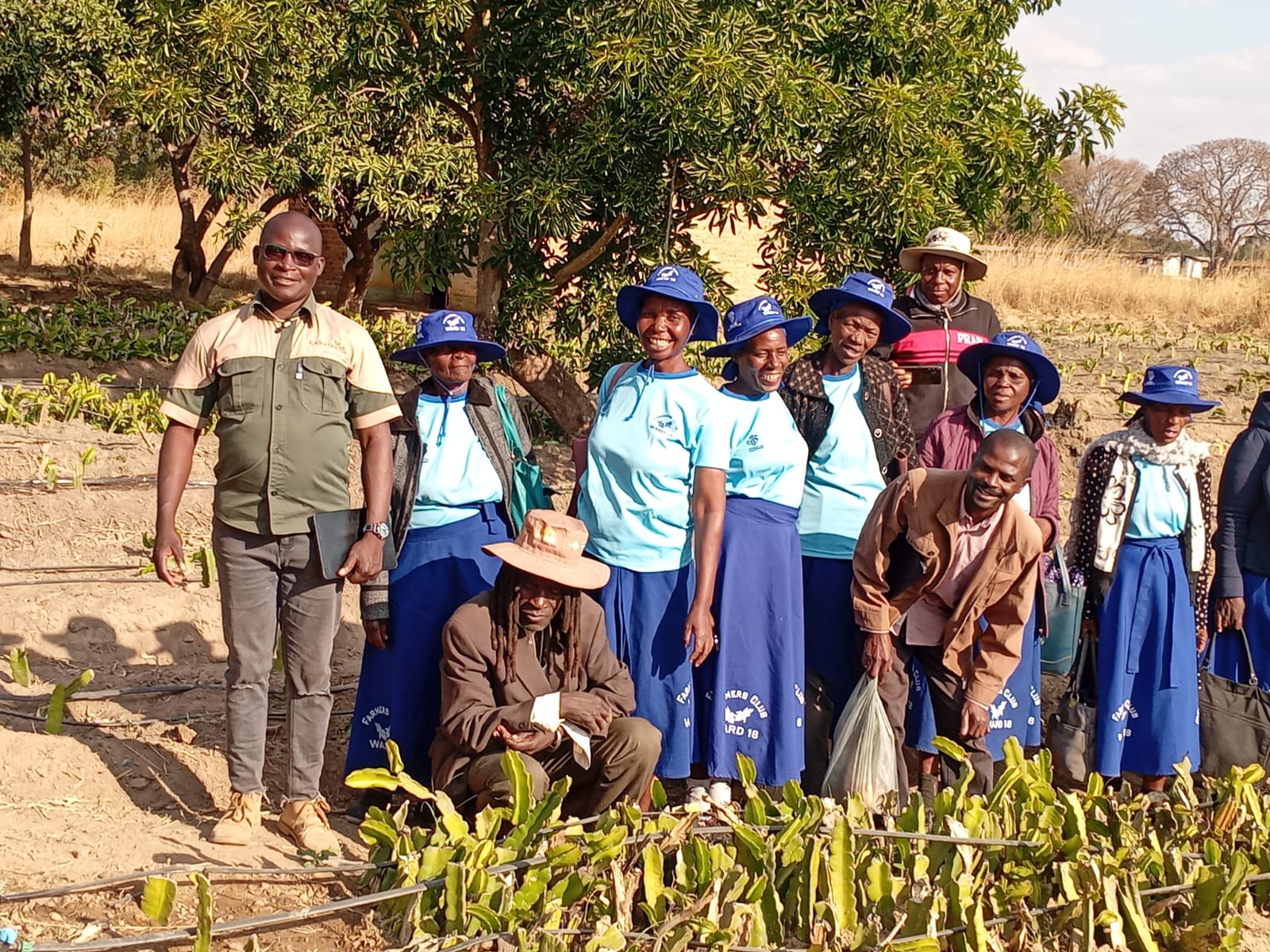
The barriers are practical, not technical. Farmers need access to basin-and-ripper equipment, a reliable source of mulch, and — critically — someone to walk their fields with them in the first two seasons. That is exactly the role of our extension programme.
We believe conservation agriculture is not a niche practice. It is Zimbabwe's default climate strategy for smallholders — one field, one season, one harvest at a time.
← Back to Blog